
Saint-Antoine Hospital - Kourilsky Building – 5th floor
184, rue du Faubourg Saint-Antoine - 75012 Paris - France
Administratiave contact : Olguine Trismercin (olguine.trismercin«at»inserm.fr)

1.Our Interests
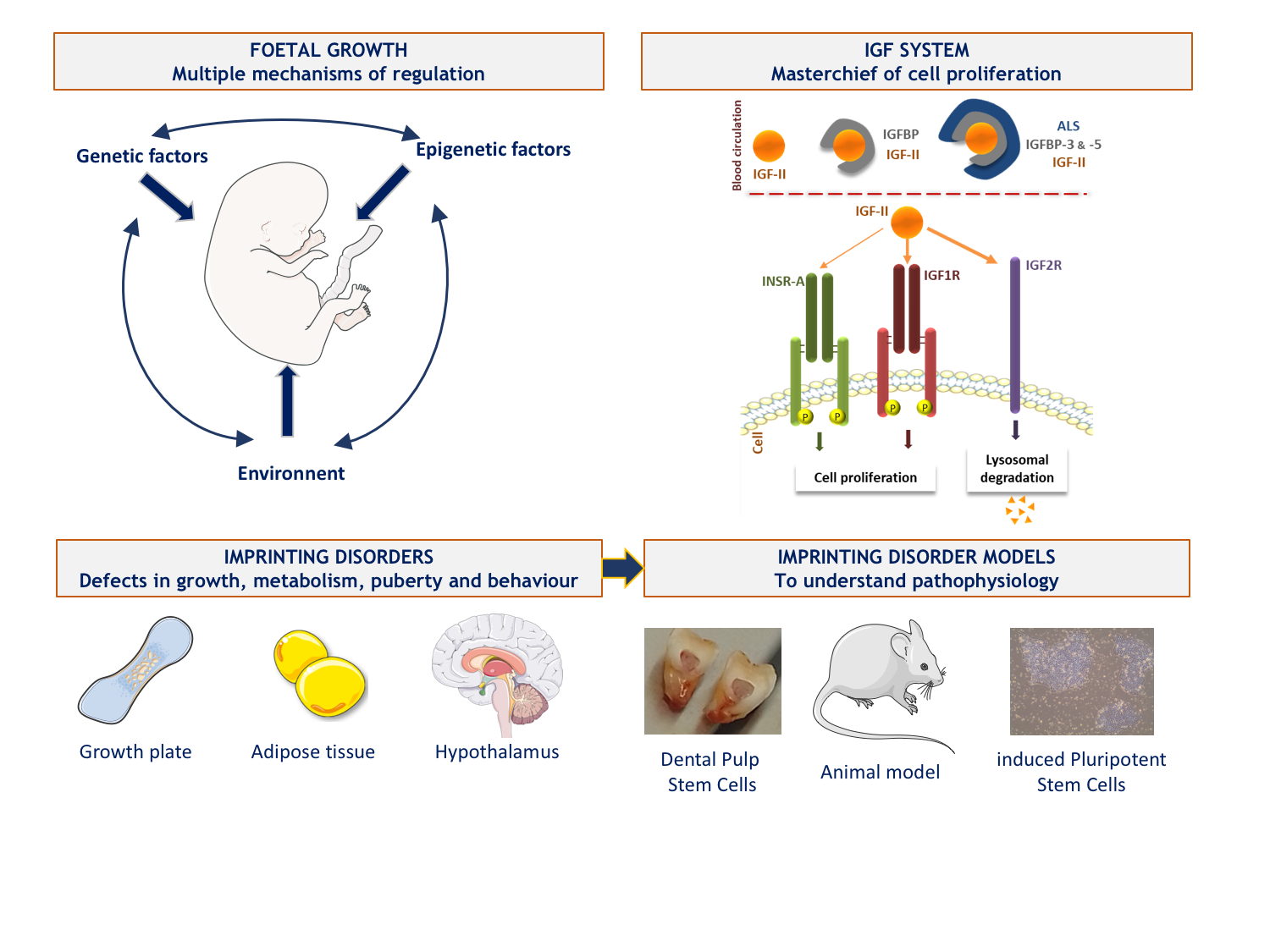
Our team focuses on the pathophysiology of growth disorders involving the insulin-like growth factor (IGF) system. The IGF system is heavily involved in cell metabolism, proliferation, differentiation, and survival, particularly during development. IGF2 plays a major role in controlling fetal growth and is unique in that it is a gene subject to parental imprinting. Parental genomic imprinting is an epigenetic process that results in the monoallelic expression of certain genes based on their parental origin. This expression is controlled by Imprinting Control Regions (ICRs), which are differentially methylated regions between the two alleles.
The team is working on two rare, clinically and molecularly mirrored pathologies resulting from disruption of parental imprinting in the 11p15 region and affecting fetal growth: Silver-Russell syndrome (SRS, growth retardation) and Beckwith-Wiedmann syndrome (BWS, excessive growth with an increased risk of developing embryonic tumors). We have also reported the first French cohort of patients with Temple syndrome (TS14), another imprinting-related disorder, responsible for growth retardation and early metabolic and endocrine disorders, secondary to molecular abnormalities in the 14q32 region.
These syndromes are secondary to genetic or epigenetic abnormalities (particularly methylation abnormalities at imprinting centers) leading to defects in the expression of genes subject to parental imprinting. The main objective of our team is to improve our understanding of the pathophysiological and environmental mechanisms involved in the regulation of fetal and postnatal growth. To achieve this, we benefit from a cross-sectional approach through clinical and basic studies based on cohorts.
Keywords: Epigenetics, Parental imprinting, Cell model, Transgenic model, GH, IGFs, Bone growth, Silver-Russell syndrome, Beckwith-Wiedmann syndrome, Intrauterine and perinatal growth retardation
2. Ongoing work
A/ We have developed a high-throughput sequencing panel of genes involved in fetal growth restriction or excess to improve the diagnosis of genetic abnormalities in patients with fetal growth retardation in France. In addition to genes already described in syndromes similar to SRS and BWS, we have included certain genes of interest for which no abnormalities have been identified in humans but which are theoretically involved in the regulation of fetal growth. Most of these are part of the IGF system, such as their binding proteins or the effectors downstream of their common receptor, IRS1 and IRS2.
B/ We have developed several key cell models to study the pathophysiology of the imprinting diseases we are investigating.
We first established a cell model—based on dental pulp stem cells collected from patients during scheduled tooth extractions—with multipotency that allows their differentiation into cells of interest involved in the patient phenotype (Giabicani et al., 2022). The other models were created by reprogramming induced pluripotent stem cells (iPSCs) from patient leukocytes. We were able to prevent the hypermethylation process that occurred in almost all ICRs in these iPSCs by developing reprogramming culture conditions that maintain balanced methylation in clones from control patients. This innovative protocol has been published (Pham et al., 2022) and is protected by a European patent (EP 4306635A1).
These iPSCs are currently differentiated into cells involved in the patient phenotype, such as hypertrophic chondrocytes (key cells of the growth plate in humans) and adipocytes (key cells in patient metabolism). This will allow us to characterize the transcriptomic, developmental, and functional differences between these cells from controls and patients, and to better understand the pathophysiological consequences of imprinting diseases—a first step toward identifying and developing new therapies.
C/ In parallel with these studies on cell models, we are developing more integrated rodent transgenic models in which the hormonal regulation of the GH/IGF1 somatotropic axis and the mechanisms of genetic regulation by parental imprinting of the IGF2 factor coexist. The mouse models studied—obtained using genome and epigenome editing techniques—exhibit growth and developmental delays due to defects in the regulation of parental imprinting at the level of the H19/IGF2 locus alleles, thus allowing for the in vivo mimicry of Silver-Russell syndrome. The results obtained in these animal models will be compared with those obtained from cellular studies and will lead to a better understanding of the pathophysiological mechanisms involved in the regulation of fetal and postnatal growth, ultimately enabling the development of targeted therapies.
D/ On the other hand, in patients with imprinting disorders, methylation defects can extend to other imprinted loci outside the region initially identified as disrupted. This phenomenon is called multilocus imprinting disorder (MLID). Currently, the prevalence and clinical consequences of MLID are poorly described. With the help of high-throughput sequencing technologies, we have developed new molecular tools to analyze the methylation of a large number of imprinted loci (Brioude et al., 2025).
E/ Finally, our last research focus is to study the impact of the environment on imprinting disorders with fetal growth abnormalities. The difficulties encountered in obtaining iPSCs with normal ICR methylation, and the influence of culture conditions, reflect the increased prevalence of imprinting disorders in children born through assisted reproductive technologies, a fact already documented in the literature and previously studied in our team by a PHRC (Pr Yves Le Bouc). Indeed, the origin of the epigenetic abnormalities responsible for the majority of imprinting-related disorders we are studying is unknown, but the critical phases for the establishment and maintenance of ICR methylation occur during gametogenesis and in the first few days post-conception. Environmental events occurring during these periods are therefore of interest to study in order to assess their effect on the regulation of parental imprinting.
AFIF-SSR-PAG: https://silver-russell.fr/
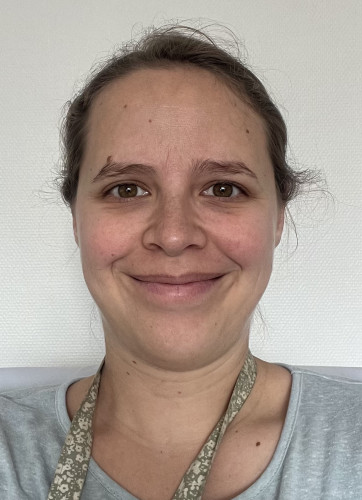
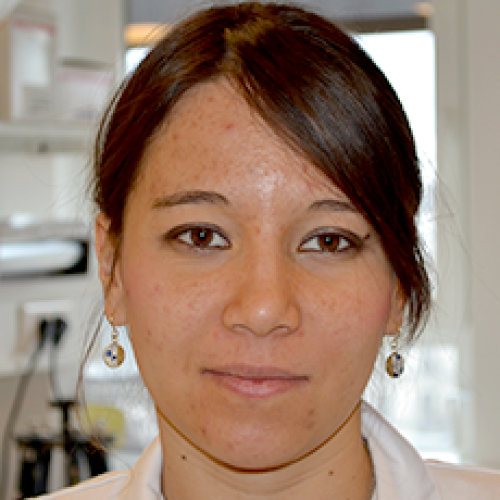
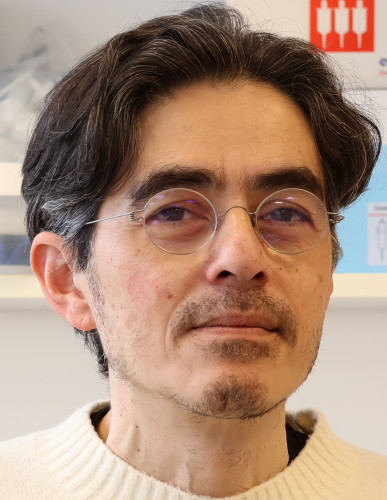
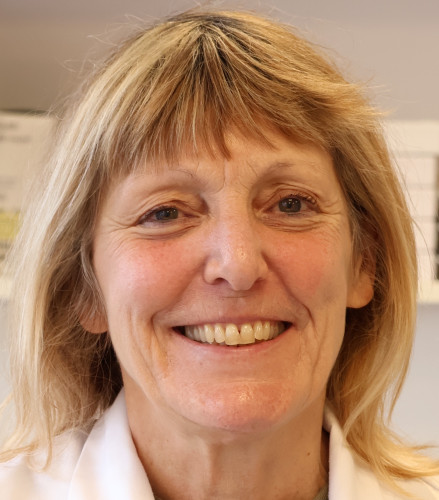
Irène Netchine : ORCID 0000-0003-1324-3389
https://www.linkedin.com/in/irene-netchine-501a1245/
Eloïse Giabicani : ORCID ID 0000-0001-5360-8616
https://fr.linkedin.com/in/elo%C3%AFse-giabicani-099924153
Frédéric Brioude : ORCID 0000-0001-8122-760X
https://www.linkedin.com/in/fr%C3%A9d%C3%A9ric-brioude-210b0145/?originalSubdomain=fr
Jean-Christophe François : ORCID 0000-0003-4480-1822
https://www.linkedin.com/in/jean-christophe-francois-9748ba23a/
Perinatal features of children with Silver-Russell syndrome due to 11p15 loss of methylation.
Darneau D, Giabicani E, Netchine I, Pham A. Front Pediatr. 2024 Apr 4;12:1367433. doi: 10.3389/fped.2024.1367433.
Pubertal origin of growth retardation in inborn errors of protein metabolism: A longitudinal cohort study.
Busiah K, Roda C, Crosnier AS, Brassier A, Servais A, Wicker C, Dubois S, Assoun M, Belloche C, Ottolenghi C, Pontoizeau C, Souberbielle JC, Piketty ML, Perin L, Le Bouc Y, Arnoux JB, Netchine I, Imbard A, de Lonlay P. Mol Genet Metab. 2024 Mar;141(3):108123. doi: 10.1016/j.ymgme.2023.108123.
Ciliopathy due to POC1A deficiency: clinical and metabolic features, and cellular modeling.
Perge K, Capel E, Villanueva C, Gautheron J, Diallo S, Auclair M, Rondeau S, Morichon R, Brioude F, Jéru I, Rossi M, Nicolino M, Vigouroux C. Eur J Endocrinol. 2024 Feb 1;190(2):151-164. doi: 10.1093/ejendo/lvae009.
Post-ligation cardiac syndrome after surgical versus transcatheter closure of patent ductus arteriosus in low body weight premature infants: a multicenter retrospective cohort study.
Duboue PM, Padovani P, Bouteiller XP, Martin-Kabore F, Benbrik N, Gronier CG, Bouissou A, Garnier E, Mitanchez D, Flamant C, Rozé JC, Baruteau AE, Lefort B. Eur J Pediatr. 2024 May;183(5):2193-2201. doi: 10.1007/s00431-024-05481-y.
Electronic reporting of rare endocrine conditions within a clinical network: results from the EuRRECa project.
Ali SR, Bryce J, Priego-Zurita AL, Cherenko M, Smythe C, de Rooij TM, Cools M, Danne T, Katugampola H, Dekkers OM, Hiort O, Linglart A, Netchine I, Nordenstrom A, Attila P, Persani L, Reisch N, Smyth A, Sumnik Z, Taruscio D, Visser WE, Pereira AM, Appelman-Dijkstra NM, Ahmed SF. Endocr Connect. 2023 Nov 20;12(12):e230434. doi: 10.1530/EC-23-0434.
https://ec.bioscientifica.com/view/journals/ec/12/12/EC-23-0434.xml
Executive functioning in adolescents and adults with Silver-Russell syndrome.
Burgevin M, Lacroix A, Ollivier F, Bourdet K, Coutant R, Donadille B, Faivre L, Manouvrier-Hanu S, Petit F, Thauvin-Robinet C, Toutain A, Netchine I, Odent S. PLoS One. 2023 Jan 20;18(1):e0279745. doi: 10.1371/journal.pone.0279745.
Imprinting disorders.
Eggermann T, Monk D, de Nanclares GP, Kagami M, Giabicani E, Riccio A, Tümer Z, Kalish JM, Tauber M, Duis J, Weksberg R, Maher ER, Begemann M, Elbracht M. Nat Rev Dis Primers. 2023 Jun 29;9(1):33. doi: 10.1038/s41572-023-00443-4.
Maintenance of methylation profile in imprinting control regions in human induced pluripotent stem cells.
Pham A, Selenou C, Giabicani E, Fontaine V, Marteau S, Brioude F, David L, Mitanchez D, Sobrier ML, Netchine I. Clin Epigenetics. 2022 14(1):190. doi: 10.1186/s13148-022-01410-8.
Dental pulp stem cells as a promising model to study imprinting diseases.
Giabicani E, Pham A, Sélénou C, Sobrier ML, Andrique C, Lesieur J, LinglartA, Poliard A, Chaussain C, Netchine I. Int J Oral Sci. 2022 Apr 2;14(1):19. doi:10.1038/s41368-022-00169-1.
IGF2 : Development, Genetic and Epigenetic Abnormalities.
Sélénou C, Brioude F, Giabicani E, Sobrier ML, Netchine I. Cells. 2022 11(12):1886. doi: 10.3390/cells11121886.
Low Maternal DLK1 Levels at 26 Weeks Is Associated With Small for Gestational Age at Birth.
Pham A, Mitanchez D, Forhan A, Perin L, Le Bouc Y, Brioude F, Sobrier ML,Heude B, Netchine I. Front Endocrinol (Lausanne). 2022 13:836731. doi: 10.3389/fendo.2022.836731.
Increasing knowledge in IGF1R defects: lessons from 35 new patients.
Giabicani E, Willems M, Steunou V, Chantot-Bastaraud S, Thibaud N, Abi Habib W, Azzi S, Lam B, Bérard L, Bony-Trifunovic H, Brachet C, Brischoux-Boucher E, Caldagues E, Coutant R, Cuvelier ML, Gelwane G, Guemas I, Houang M, Isidor B, Jeandel C, Lespinasse J, Naud-Saudreau C, Jesuran-Perelroizen M, Perrin L, Piard J, Sechter C, Souchon PF, Storey C, Thomas D, Le Bouc Y, Rossignol S, Netchine I, Brioude F. J Med Genet. 2020 57(3):160-168. doi:10.1136/jmedgenet-2019-106328.
Overgrowth syndromes - clinical and molecular aspects and tumour risk.
Brioude F, Toutain A, Giabicani E, Cottereau E, Cormier-Daire V, Netchine I. Nat Rev Endocrinol. 2019 15(5):299-311. doi: 10.1038/s41574-019-0180-z.
Transcriptional profiling at the DLK1/MEG3 domain explains clinical overlap between imprinting disorders.
Abi Habib W, Brioude F, Azzi S, Rossignol S, Linglart A, Sobrier ML, Giabicani É, Steunou V, Harbison MD, Le Bouc Y, Netchine I. Sci Adv. 2019 5(2):eaau9425. doi:10.1126/sciadv.aau9425.
Genetic disruption of the oncogenic HMGA2-PLAG1-IGF2 pathway causes fetal growth restriction.
Abi Habib W, Brioude F, Edouard T, Bennett JT, Lienhardt-Roussie A, Tixier F,Salem J, Yuen T, Azzi S, Le Bouc Y, Harbison MD, Netchine I. Genet Med. 2018 20(2):250-258. doi: 10.1038/gim.2017.105
Chromosome 14q32.2 Imprinted Region Disruption as an Alternative Molecular Diagnosis of Silver-Russell Syndrome.
Geoffron S, Abi Habib W, Chantot-Bastaraud S, Dubern B, Steunou V, Azzi S, Afenjar A, Busa T, Pinheiro Canton A, Chalouhi C, Dufourg MN, Esteva B, Fradin M, Geneviève D, Heide S, Isidor B, Linglart A, Morice Picard F, Naud-Saudreau C, Oliver Petit I, Philip N, Pienkowski C, Rio M, Rossignol S, Tauber M, Thevenon J, Vu-Hong TA, Harbison MD, Salem J, Brioude F, Netchine I, Giabicani E. J Clin Endocrinol Metab. 2018 103(7):2436-2446. doi: 10.1210/jc.2017-02152. PMID: 29659920
Diagnosis and management of Silver-Russell syndrome: first international consensus statement.
Wakeling EL, Brioude F, Lokulo-Sodipe O, O'Connell SM, Salem J, Bliek J,Canton AP, Chrzanowska KH, Davies JH, Dias RP, Dubern B, Elbracht M, Giabicani E, Grimberg A, Grønskov K, Hokken-Koelega AC, Jorge AA, Kagami M, Linglart A,Maghnie M, Mohnike K, Monk D, Moore GE, Murray PG, Ogata T, Petit IO, Russo S,Said E, Toumba M, Tümer Z, Binder G, Eggermann T, Harbison MD, Temple IK, MackayDJ, Netchine I. Nat Rev Endocrinol. 2017 13(2):105-124. doi: 10.1038/nrendo.2016.138.
INSERM
Kourilsky Building
34 rue Crozatier - 75012 Paris
France
Sorbonne Université Medicine
Saint-Antoine Site
27 rue Chaligny - 75012 Paris
France