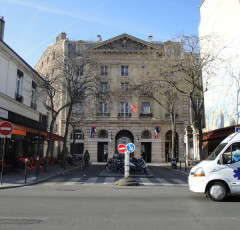

Saint-Antoine Hospital - Kourilsky Building – 1st and 8th floor
184, rue du Faubourg Saint-Antoine - 75012 Paris - France







Mission
The Cancer, Vessels, Biology and Therapeutics Research Team (CaVITE) advances research and education at the interface of cancer biology, vascular biology, and therapeutic innovation. Our objective is to bridge fundamental discoveries, translational research, and clinical applications to improve the prevention, diagnosis, and treatment of cancer and its complications, ultimately enhancing the quality of life of patients and survivors. Our activities align with the priorities of the INSERM Strategic Plan, the French Cancer Plan, and the European Commission’s Beating Cancer Plan.
Expertise
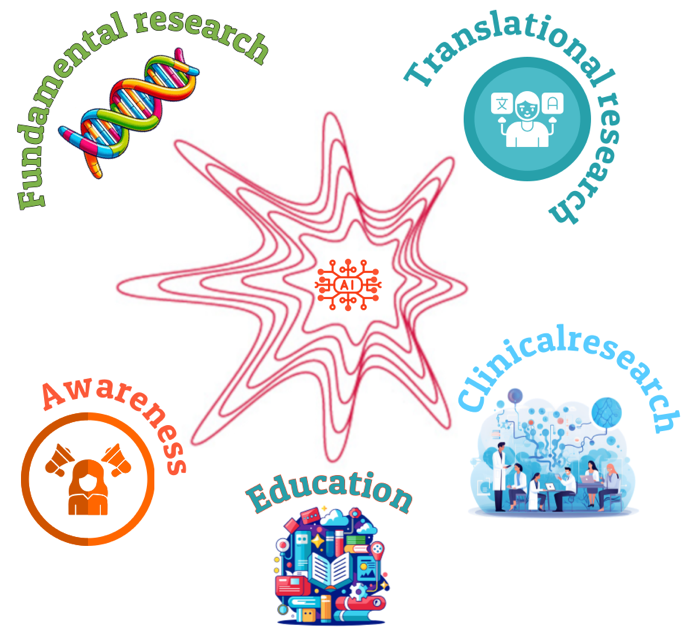
CaVITE brings together complementary expertise in cancer biology, blood coagulation and thrombosis, vascular biology, virology, pharmacology, and social sciences, enabling an integrated and multidisciplinary approach to cancer research and therapeutic development.
Experience
Our researchers and clinician-scientists have extensive experience in international collaborations, translational research programs, and advanced scientific training, contributing to progress in precision oncology and cancer-associated vascular complications.
Key Scientific and Clinical Priorities of CaVITE
CaVITE’s research strategy is organized around four major priorities that integrate fundamental discovery, translational research, and clinical innovation.
1. Understanding cancer cell plasticity and resistance to targeted therapies
We investigate the mechanisms driving tumor progression and resistance to targeted anticancer therapies, focusing on interactions between cancer cells and the tumor microenvironment, including stromal, vascular, and coagulation components. These processes are studied using in vitro systems and experimental animal models.
2. Developing more effective and less toxic therapeutic strategies
CaVITE develops innovative approaches to improve therapeutic efficacy while reducing toxicity. This includes the development of novel agents such as molecularly imprinted polymers (MIPs) and the evaluation of antithrombotic strategies in patients at high risk of treatment resistance.
3. Identifying clinically relevant biomarkers
CaVITE research aims to identify and validate biomarkers associated with therapy resistance and disease progression. Current work focuses on markers related to lipid metabolism, hypercoagulability, endothelial activation, metabolic plasticity and tumor microenvironment mechanics , with strong translational potential.
4. Improving prevention and management of cancer-associated thrombosis
CaVITE contributes to the prevention and treatment of cancer-associated arterial and venous thrombosis (CAT) and promotes awareness of this complication among healthcare professionals and society. The team has developed clinico-biological risk assessment models for CAT and is expanding its work through AI-driven analyses, large-scale clinical databases, and decision-support tools for personalized antithrombotic strategies.
From the bench to the Lives of Patients with Cancer
The Lifeblood of CaVITE Research
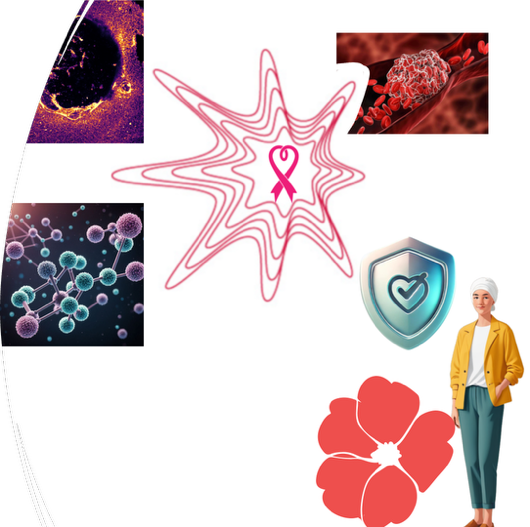
CaVITE investigates how the tumor microenvironment and vascular system interact to drive cancer progression, therapy resistance, and thrombotic complications. Our research integrates fundamental biology, translational investigation, and clinical research to identify new therapeutic targets, develop innovative treatments, and improve prevention and management strategies for cancer patients.
Axis 1 Cancer, Vascular Environment, Hypercoagulability and Thrombosis
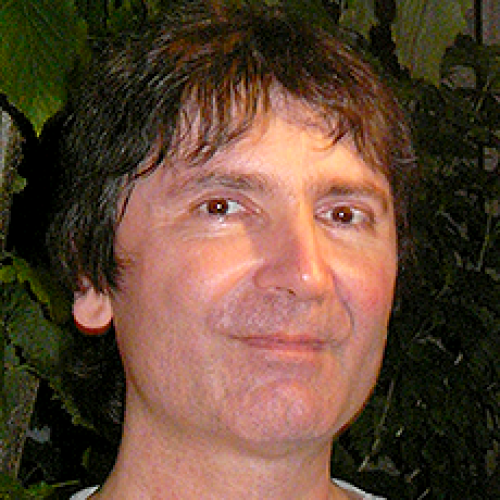
Group Lead: Grigoris Gerotziafas
Introduction
The Research Group “Cancer, Angiogenesis, Thrombosis and Hemostasis” investigates how cancer cells interact with the vascular and coagulation systems, leading to hypercoagulability, tumor progression, and resistance to therapy. Particular attention is given to the mechanisms through which tumor cells reshape their microenvironment and promote cancer-associated thrombosis.
Research themes
Fibrin clot shields and therapy resistance. Cancer cells can trigger thrombin generation and fibrin formation, leading to the development of fibrin clot shields around tumor cells. These structures may protect tumors from targeted therapies and cellular immunotherapies such as CAR-T cells.
Tumor–endothelial cell interactions. We study how cancer cells and endothelial cells communicate through extracellular vesicles and soluble mediators, influencing angiogenesis, vascular remodeling, and treatment response.
Biomarkers of hypercoagulability and vascular activation. Our research identifies biomarkers of procoagulant activity, endothelial activation, and thromboinflammation, which may predict therapy resistance and thrombotic complications.
Clinical translation
This axis supports the development of risk assessment models for cancer-associated thrombosis, including the COMPASS-CAT score, and the expansion of international networks such as COMPASS-CAT and ROADMAP-CAT. These initiatives aim to build large clinico-biological databases and biobanks, enabling AI-driven prediction tools and personalized antithrombotic strategies.
Axis 2 Cancer Cell Plasticity and Microenvironment-Driven Tumor Progression
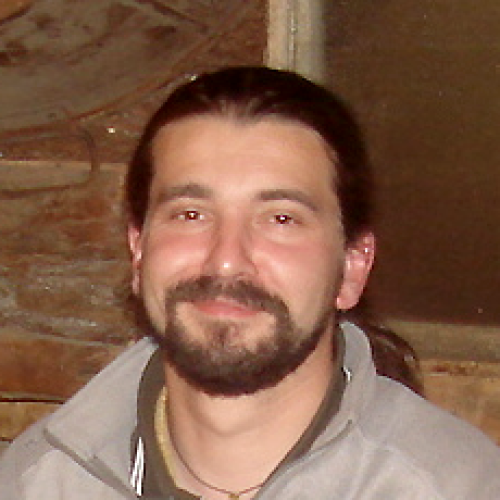
Group Leads: Michele Sabbah, Anthi Karaiskou
Introduction
The Research Group “Molecular Mechanisms of Tumor Invasion and Metastasis” explores the molecular, cellular, and physical mechanisms that regulate tumor progression, invasion, metastasis, and resistance to therapy. A major focus is cancer cell plasticity, which enables tumor cells to adapt to microenvironmental signals and acquire aggressive phenotypes.
Research themes
Vascular mimicry and tumor aggressiveness. Aggressive cancer cells can acquire endothelial-like properties and form vascular networks, a process known as vascular mimicry. Our work investigates the role of molecular regulators such as PTX3 and Hippo signaling in this phenomenon. Concurrently, particular attention is being paid to the signaling pathways regulated by the tumor suppressor PTEN, which control cancer progression and responses to chemotherapy.
Tumor microenvironment interactions. We study how tumor cells interact with adipocytes, macrophages, mesenchymal stem cells, endothelial cells, and platelets, which collectively influence tumor growth, invasion, and therapy resistance.
Biomechanics of tumor progression. The physical properties of the extracellular matrix—including stiffness, fibrillar organization, and confinement forces—play a critical role in tumor invasion. Mechanosensitive regulators such as KIF20A are investigated as potential therapeutic targets.
Clinical translation
Understanding tumor plasticity and microenvironment-driven signaling may reveal new biomarkers of tumor aggressiveness and identify novel therapeutic targets, helping to develop strategies that limit metastasis and improve treatment response.
Axis 3 Tumor Microenvironment, Therapy Resistance and Antiviral Repositioning
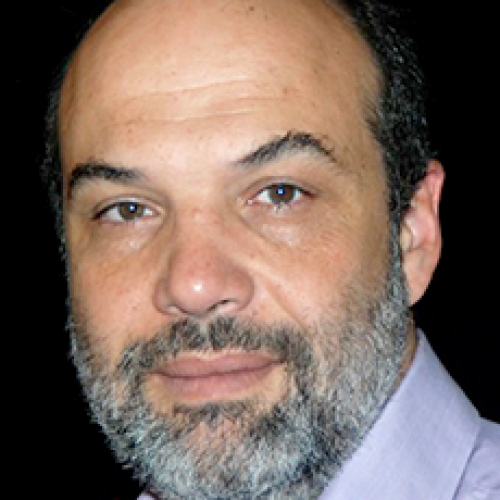
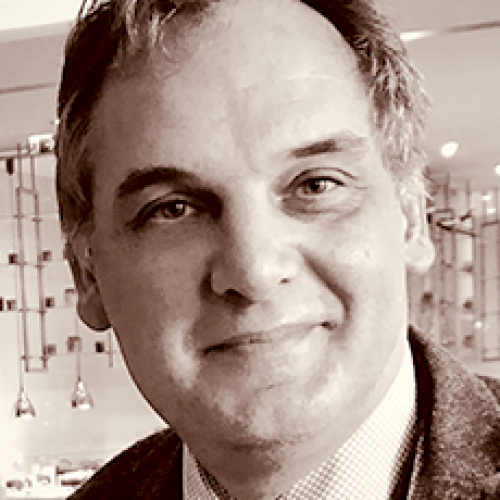
Group leads: Alexander Escargeueil, Vincent Maréchal
Introduction
The research Group “Therapy Resistance, Virus, and Cancer” focuses on the development of innovative therapeutic approaches targeting tumor biology, metabolic adaptation, and microenvironment-driven resistance mechanisms. The objective is to identify new drug targets and therapeutic combinations capable of improving the efficacy of anticancer treatments.
Research themes
Metabolic reprogramming and therapy resistance. Cancer cells adapt to therapeutic stress through metabolic plasticity and adaptive processes such as autophagy. Our research investigates metabolic enzymes including NADPH oxidases and PKM2 as potential therapeutic targets.
Alarmins and inflammatory signaling. Extracellular signaling molecules such as ATP, HMGB1, and osteopontin regulate immune responses, tumor invasion, and treatment efficacy. Understanding their role may provide new opportunities for therapeutic intervention.
Virus-associated cancers and drug repositioning. We explore new therapeutic strategies in oncovirus-associated cancers, particularly Epstein–Barr virus–related malignancies, and investigate drug repositioning approaches to develop antiviral anticancer therapies.
Clinical translation
This axis aims to generate novel therapeutic combinations with strong immunogenic and cytotoxic potential, while identifying new molecular targets that can be translated into precision oncology strategies for cancer patients.
INSERM
Kourilsky Building
34 rue Crozatier - 75012 Paris
France
Sorbonne Université Medicine
Saint-Antoine Site
27 rue Chaligny - 75012 Paris
France